
 What quality controls are carried out on the chorizos at Jamones Aljomar?
Quality controls are carried out from the very beginning, from the moment the pig carcass arrives at the factory. This starts with recording and taking temperatures, both in the work areas and in the cold storage rooms, as well as of the meat that will be used as raw material.
We also carry out supplier checks to ensure that the other ingredients and materials used in the production meet the standards of the product we want to achieve.
Throughout the curing process, we also monitor whether it is maturing correctly and, finally, at the time of shipment, when the product is ready to go to market, we perform final product analyses.
Which cut of pork is used as the base for making chorizo?
A selected, high-quality extra lean Iberian pork is used.
What types of chorizo are there?
We have products for all needs and they can be consumed in different ways. Chorizos are differentiated by their shape (long, straight or curved, horseshoe shape), by the casing (cular, cecum, collagen), by size (longaniza, guijuelito, culares, “caseros”) and by quality (bellota campaña).
What quality controls are carried out on the chorizos at Jamones Aljomar?
Quality controls are carried out from the very beginning, from the moment the pig carcass arrives at the factory. This starts with recording and taking temperatures, both in the work areas and in the cold storage rooms, as well as of the meat that will be used as raw material.
We also carry out supplier checks to ensure that the other ingredients and materials used in the production meet the standards of the product we want to achieve.
Throughout the curing process, we also monitor whether it is maturing correctly and, finally, at the time of shipment, when the product is ready to go to market, we perform final product analyses.
Which cut of pork is used as the base for making chorizo?
A selected, high-quality extra lean Iberian pork is used.
What types of chorizo are there?
We have products for all needs and they can be consumed in different ways. Chorizos are differentiated by their shape (long, straight or curved, horseshoe shape), by the casing (cular, cecum, collagen), by size (longaniza, guijuelito, culares, “caseros”) and by quality (bellota campaña).
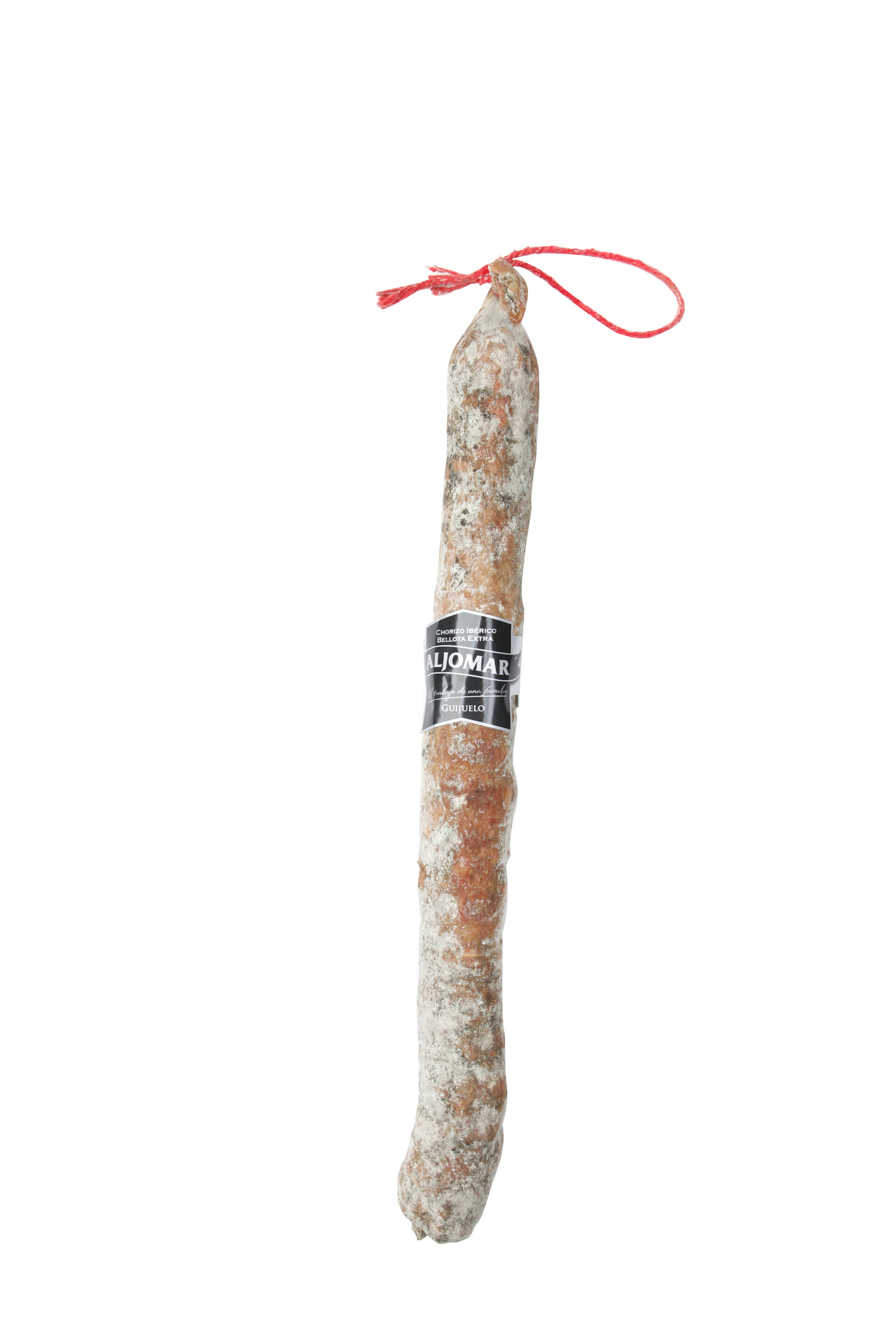

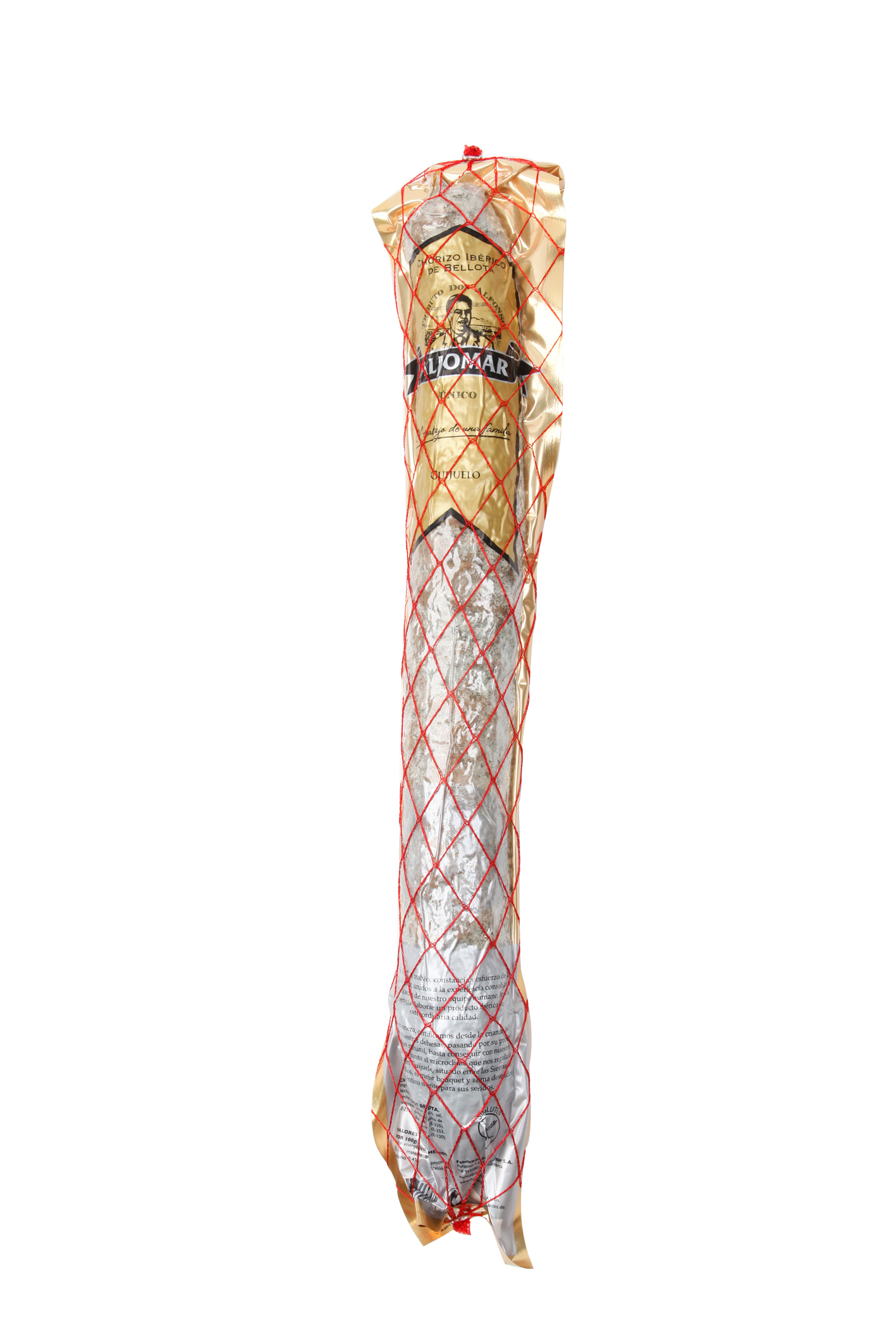
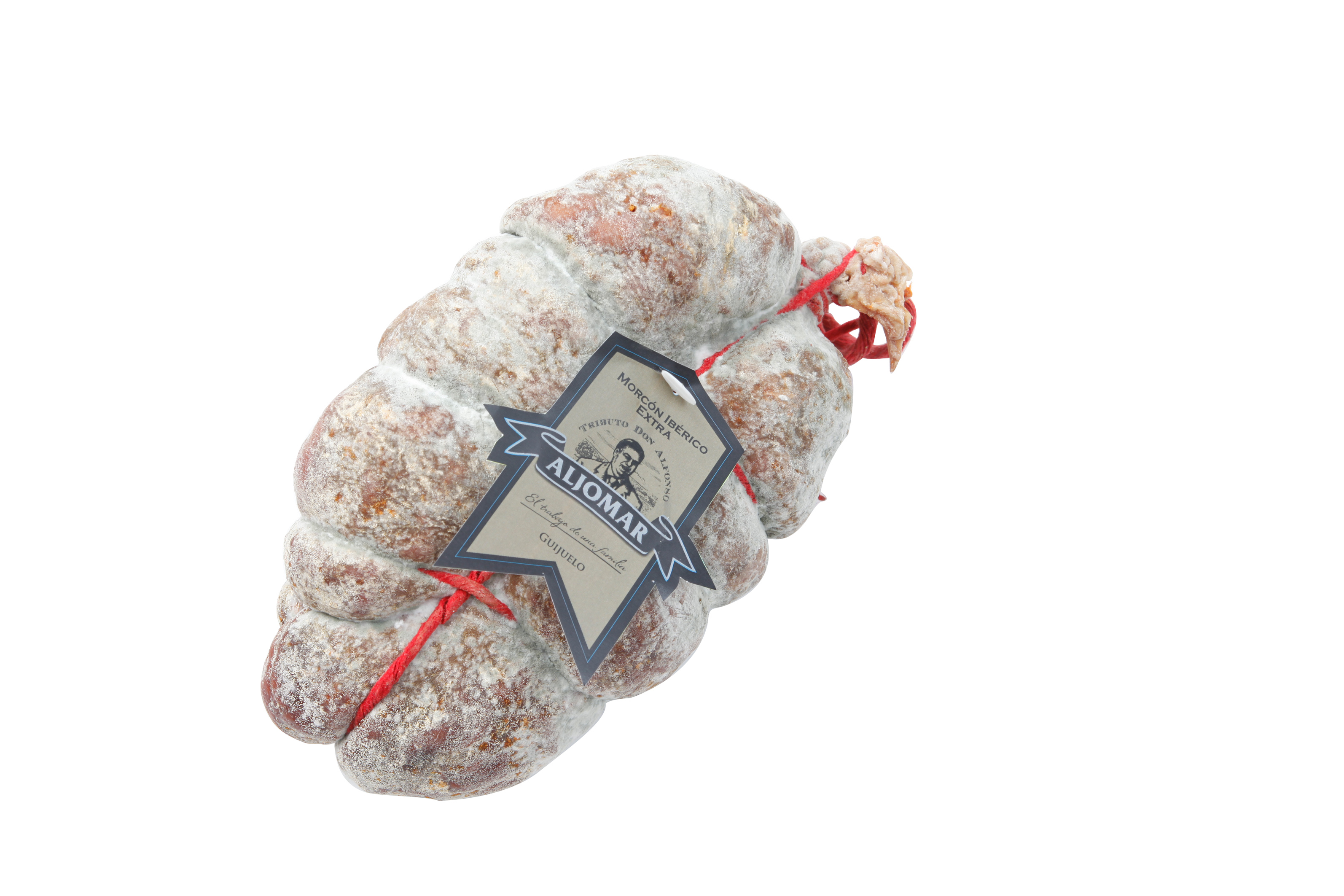
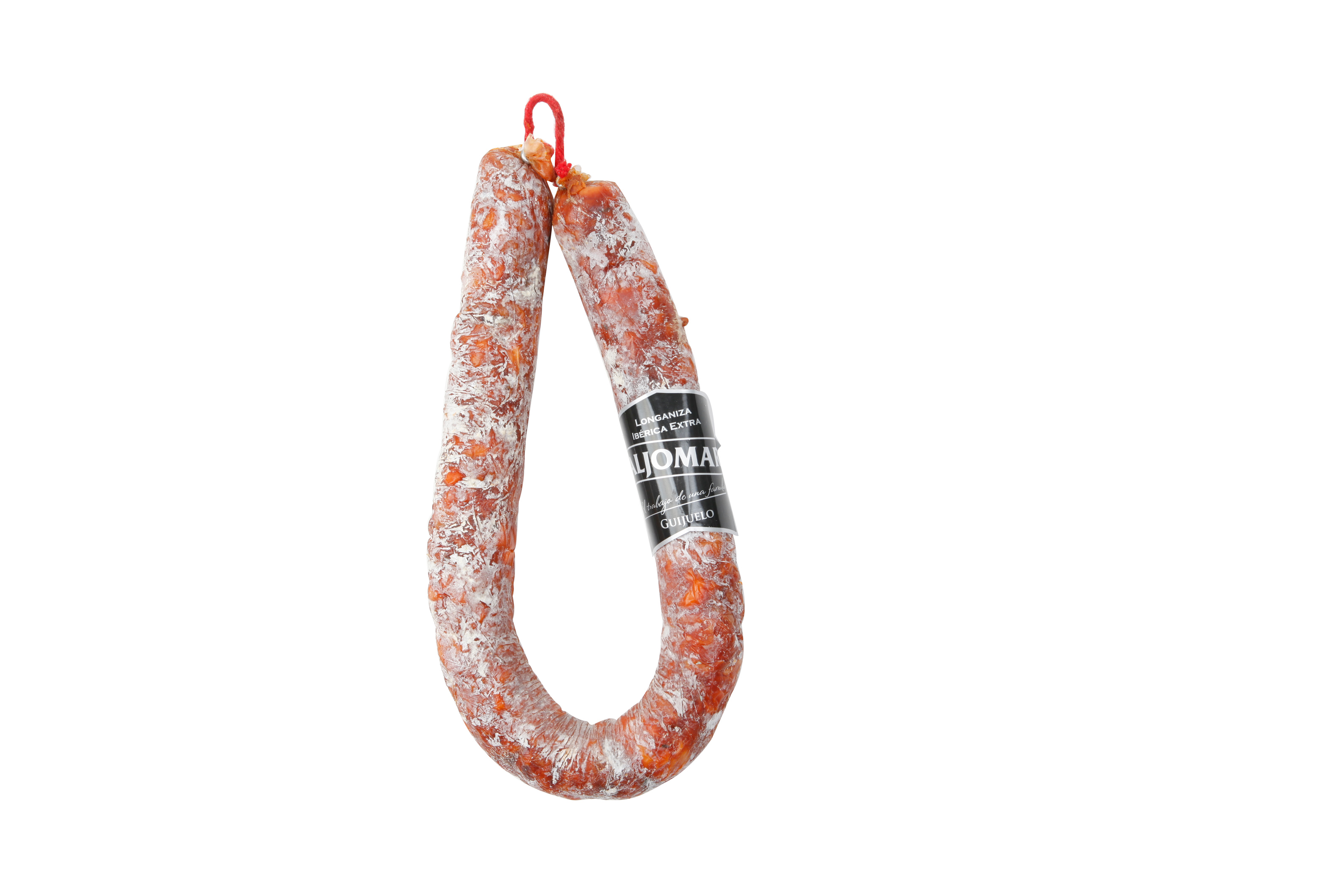
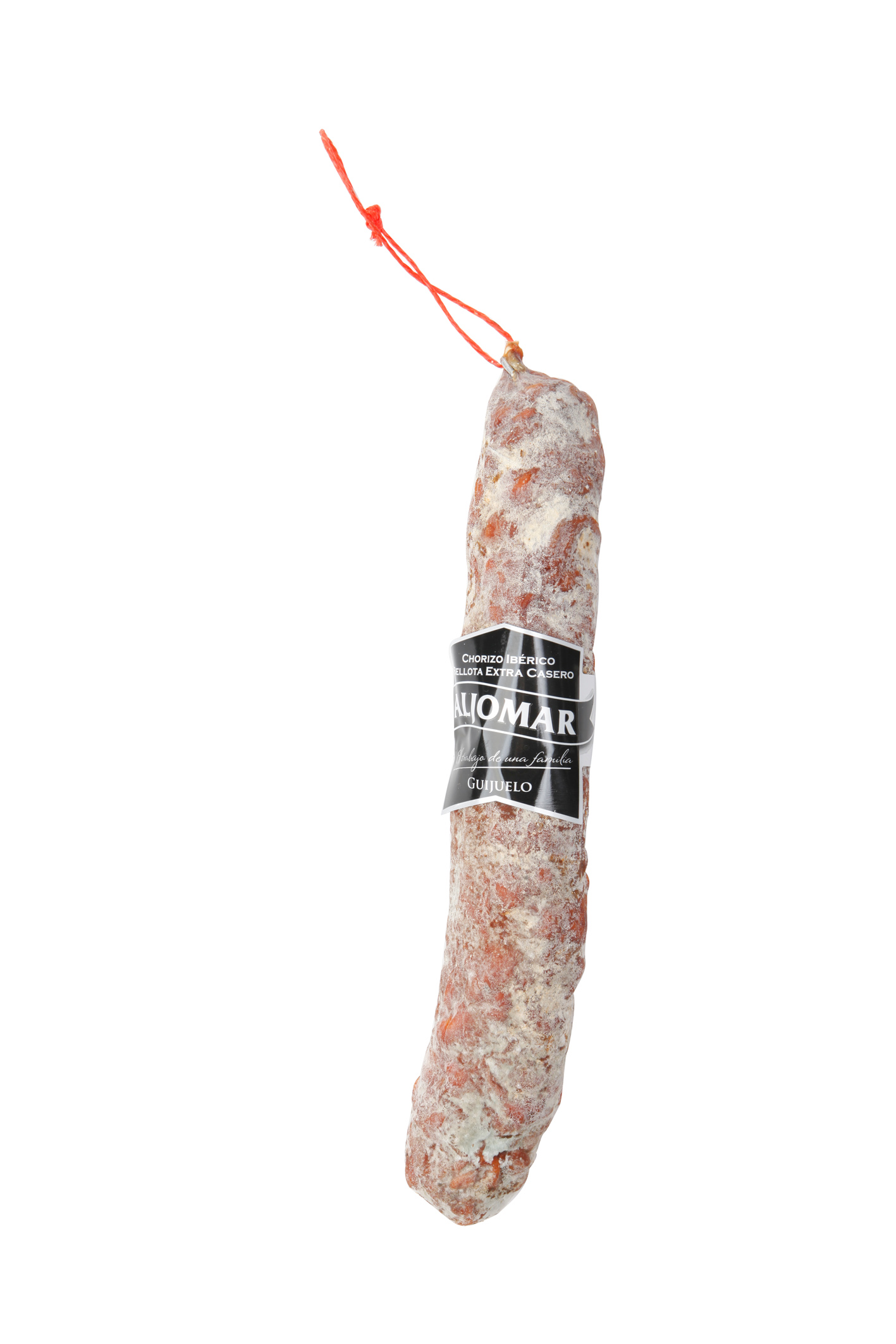
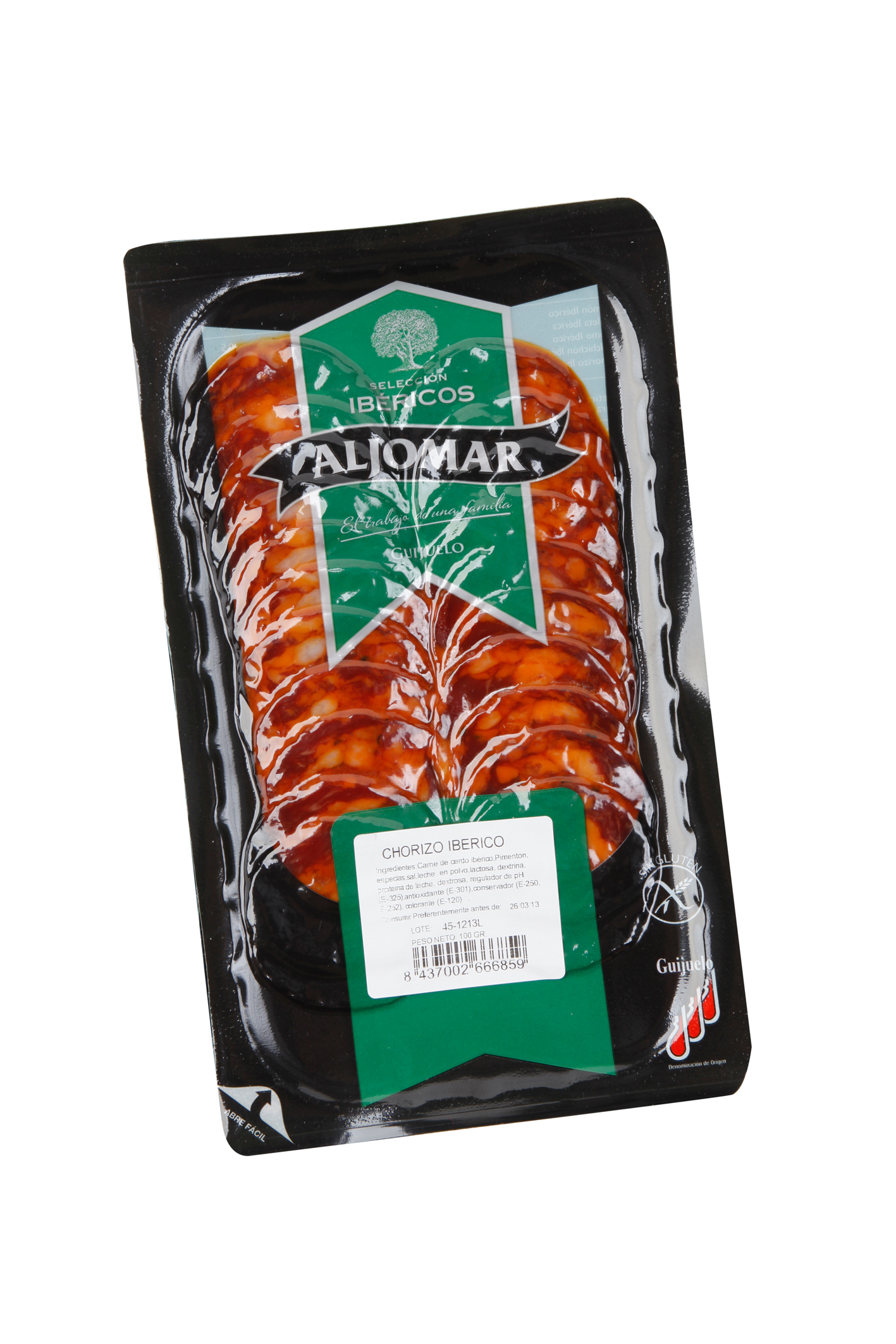
 Some are best eaten on their own, raw, with bread, as an appetizer, or in a sandwich; but others are better for cooking. What's the difference?
To eat cooked chorizo, it's best if it's tender; that way, even if the heat melts the fat, it will still be juicy. If the chorizo were too cured, it would dry out when cooked.
For a sandwich, larger slices are good, like those from a cular or even a morcón.
In any case, chorizo, and even better if it's acorn-fed, is a product suitable for every occasion.
Is it known when and by whom chorizo began to be made in Spain?
They are the result of making use of the meat from home slaughtering. They originated as a way to utilize the meat from butchering pigs; the hams were salted to cure them, the rest of the meat was seasoned and stuffed into the pig's own intestines so that it could be consumed throughout the year.
Which one do you like best and on what occasions do you prefer to eat it?
My favorite is extra acorn-fed Iberian chorizo, and on what occasion?… Any time is a good time!
Some are best eaten on their own, raw, with bread, as an appetizer, or in a sandwich; but others are better for cooking. What's the difference?
To eat cooked chorizo, it's best if it's tender; that way, even if the heat melts the fat, it will still be juicy. If the chorizo were too cured, it would dry out when cooked.
For a sandwich, larger slices are good, like those from a cular or even a morcón.
In any case, chorizo, and even better if it's acorn-fed, is a product suitable for every occasion.
Is it known when and by whom chorizo began to be made in Spain?
They are the result of making use of the meat from home slaughtering. They originated as a way to utilize the meat from butchering pigs; the hams were salted to cure them, the rest of the meat was seasoned and stuffed into the pig's own intestines so that it could be consumed throughout the year.
Which one do you like best and on what occasions do you prefer to eat it?
My favorite is extra acorn-fed Iberian chorizo, and on what occasion?… Any time is a good time!


